Virtual Reality Poker Environments Reshaping Bluff Detection Techniques Among Emerging Players in Regulated Digital Spaces
Dana Schulz · Sep 13, 2026

Virtual Reality Poker Environments Reshaping Bluff Detection Techniques Among Emerging Players in Regulated Digital Spaces
Shifts in Digital Poker Platforms and Player Training
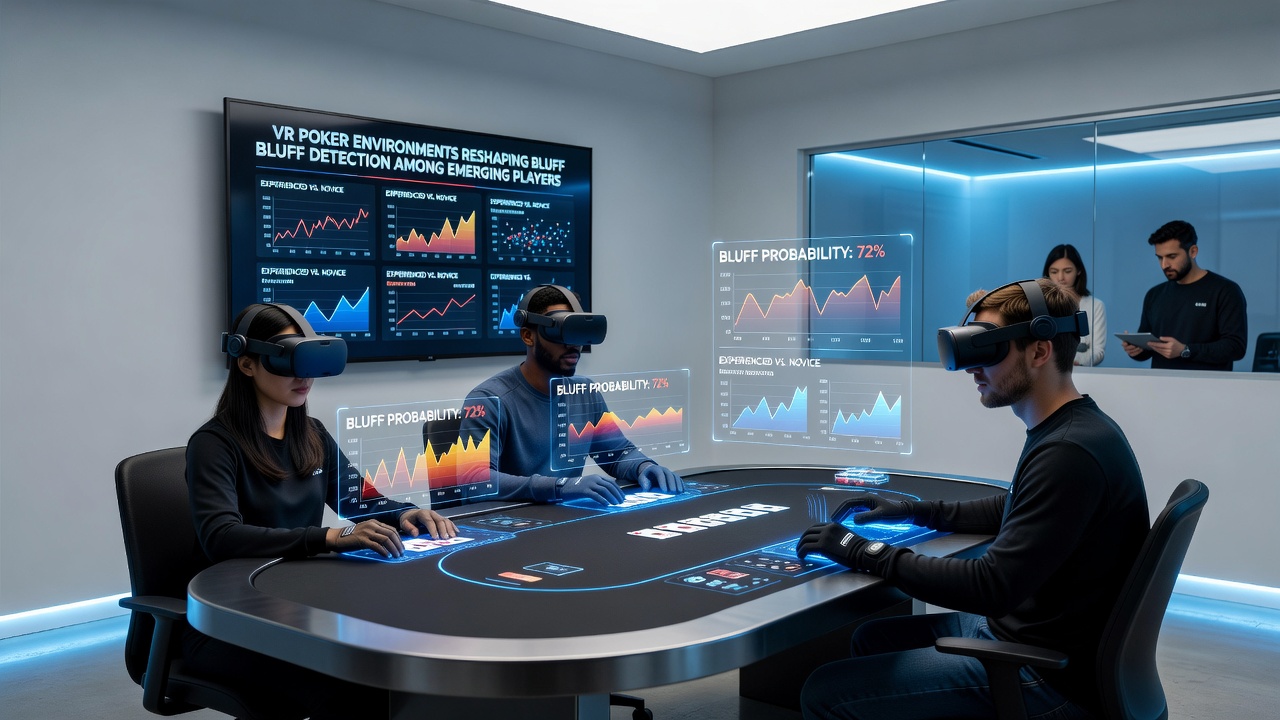
Virtual reality poker environments have introduced layered visual and motion data that emerging players analyze for tells, while regulated platforms in multiple jurisdictions integrate these tools into licensed online spaces, and data from September 2026 shows continued growth in VR table adoption across North American and European markets. Players access headsets that render facial micro-movements, posture adjustments, and eye direction within three-dimensional tables, which changes how bluff detection operates compared with traditional two-dimensional interfaces. Research indicates that new participants spend initial sessions mapping avatar responses to betting patterns, and this process replaces older reliance on chat timing or bet sizing alone.
Regulated operators must comply with oversight from bodies such as the Nevada Gaming Control Board and the Australian Communications and Media Authority, which require identity verification and fair-play logging before VR sessions begin. These rules create consistent environments where emerging players practice detection without concerns over unlicensed software interference, and the result appears in session logs that track how frequently users adjust strategies after observing virtual cues.
Technical Elements Affecting Bluff Recognition
Eye-tracking sensors in current VR headsets record gaze duration on community cards or opponent avatars, and studies released in mid-2026 link longer fixations to higher fold rates when bluffs occur. Developers incorporate skeletal tracking that captures shoulder shifts and hand gestures, which players interpret as stress indicators during large bets. Software updates in September 2026 added calibration routines that normalize avatar responses across different hardware models, ensuring consistent data for users who switch devices.
Audio layers supply another channel because spatial sound reproduces breathing patterns and vocal inflections that accompany certain bet sizes, while emerging players combine these signals with visual data to refine reads. Platform analytics show that participants who review session replays improve their detection accuracy within four to six weeks, according to aggregated operator reports.
Training Methods Adopted by New Participants
Many emerging players join structured onboarding modules that present recorded hands with highlighted cues, and these modules run inside the same VR spaces used for live tables. Participants practice against scripted opponents that repeat specific tells, which accelerates pattern recognition before they enter cash games. Observers note that users who complete these modules record fewer incorrect folds on bluffs during their first month of real-money play.
Community forums hosted by licensed sites share anonymized replays where groups discuss timing of gaze shifts relative to bet amounts, yet operators limit access to verified accounts to maintain regulatory compliance. Data from the Canadian Centre for Gaming Research indicates that VR poker participation among players aged 21 to 35 rose steadily through 2026, coinciding with expanded training resources in multiple languages.
Regulatory Frameworks and Platform Standards
Licensed VR poker rooms operate under frameworks that mandate data encryption for biometric streams and limit retention periods for eye-tracking records, and these requirements differ between the United States and Australia. Operators publish transparency reports that detail how often detection tools flag suspicious behavior, although the reports focus on aggregate statistics rather than individual cases. Emerging players benefit from these standards because they reduce exposure to manipulated environments that could distort bluff signals.
Cross-border agreements allow players in certain regions to access shared VR tables while each jurisdiction retains its own audit trail, and this setup supports consistent rule application across sessions. Figures from industry associations reveal that dispute resolution involving VR hand histories decreased after platforms introduced standardized replay formats in 2025.
Conclusion
Virtual reality poker continues to modify how emerging players identify bluffs through integrated motion, gaze, and audio data within regulated digital spaces, and ongoing platform refinements plus regulatory oversight shape the pace of these adjustments. Players who engage with available training resources demonstrate measurable changes in decision patterns, while licensed environments maintain the logging and verification processes required for continued operation.