Regulatory Shifts Influencing the Expansion of Esports-Linked Wagering Options in Emerging Markets
David Vogel · Oct 25, 2026

Regulatory Shifts Influencing the Expansion of Esports-Linked Wagering Options in Emerging Markets
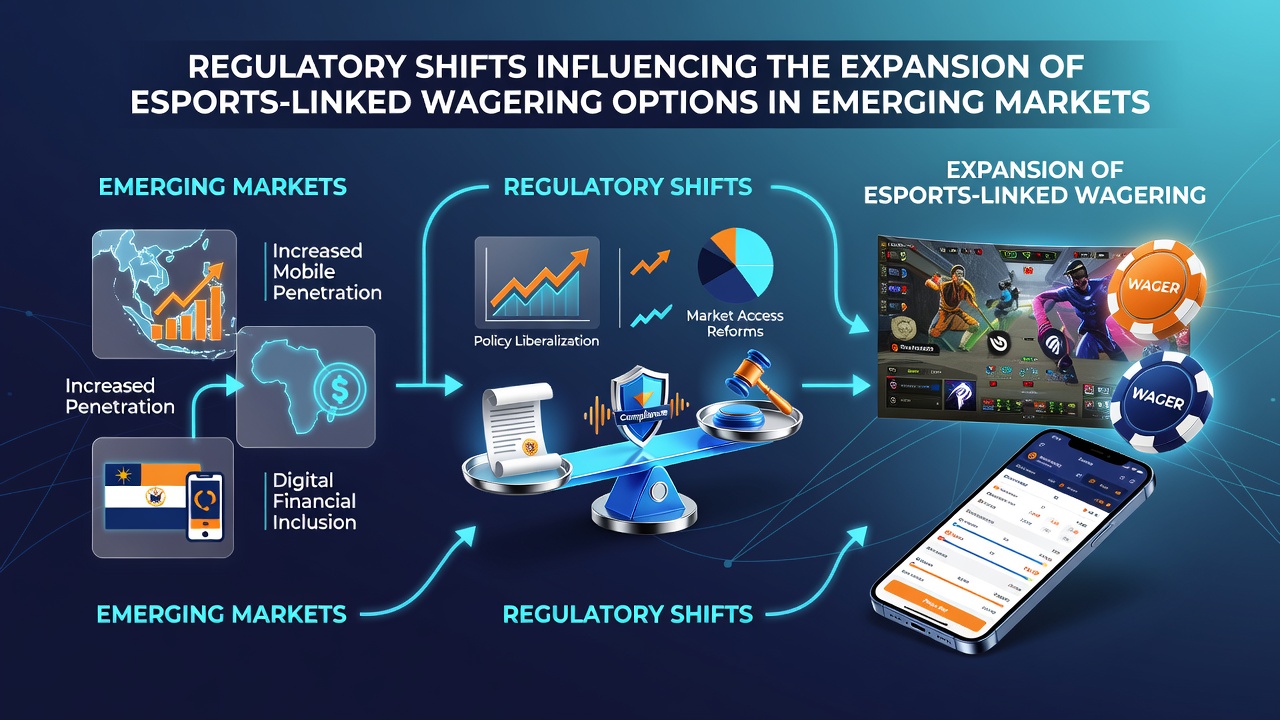
Regulatory changes across multiple regions have created pathways for esports-linked wagering to expand into emerging markets, where digital infrastructure and young populations drive participation rates higher each year. Governments in Asia, Latin America, and parts of Africa have adjusted licensing rules, tax structures, and operator standards since 2024, allowing platforms to offer betting on competitive gaming events with greater legal certainty.
Key Regulatory Developments Across Regions
Brazil's updated gaming framework, implemented in phases through 2025, introduced specific provisions for online sports betting that encompass esports titles such as League of Legends and Counter-Strike. Operators must now secure federal licenses that cover both traditional sports and digital competitions, which has encouraged established international firms to enter partnerships with local entities. Data from Brazil's Ministry of Finance shows licensed esports wagering volumes grew by 34 percent between January and September 2026, with October figures reflecting continued momentum ahead of major international tournaments.
India's state-level experiments with skill-based gaming regulations have produced varied outcomes, yet several provinces have clarified that certain esports formats fall outside traditional gambling prohibitions when they emphasize player skill over chance. This distinction has opened doors for domestic apps to integrate live betting features on mobile devices, particularly in states where enforcement focuses on revenue collection rather than outright bans. Observers note that operators who comply with Know Your Customer requirements and responsible gaming disclosures gain quicker market access.
Impact on Operator Strategies and Market Entry
Companies seeking footholds in Southeast Asia have adjusted their compliance teams after Thailand and Vietnam signaled openness to pilot programs for esports betting platforms. These programs require operators to maintain servers within national borders and share a percentage of gross gaming revenue with local sports development funds. One study revealed that such revenue-sharing models have helped legitimize the sector while generating measurable contributions to youth esports training initiatives.
Tax incentives in select African markets, including Kenya and Nigeria, have drawn attention from European betting groups looking to diversify beyond saturated European markets. Regulators there have tied licensing approvals to commitments for local data centers and employment targets, which has slowed some entrants but rewarded those willing to invest in infrastructure. Figures reveal that licensed platforms in these countries reported a 27 percent increase in active esports bettors during the first three quarters of 2026.
Technological and Compliance Requirements
Emerging regulatory frameworks often mandate real-time monitoring tools that track betting patterns for signs of match-fixing or underage access. Platforms operating in these markets integrate API connections to official tournament organizers, allowing regulators to verify event integrity before wagers settle. This technical layer adds operational costs yet reduces enforcement risks for compliant operators.
Payment processing rules have also shifted, with several jurisdictions now requiring integration with local banking rails or approved digital wallets. These changes address anti-money laundering concerns while giving regulators greater visibility into transaction flows. Those who've studied compliance trends across regions point out that operators who adopt these systems early encounter fewer delays when expanding to additional markets.
Future Outlook for Licensed Expansion
October 2026 brought announcements from two additional Latin American countries outlining draft rules for esports betting that mirror existing sports wagering licenses. Industry associations have begun compiling best practices drawn from early adopters, focusing on age verification, advertising standards, and player fund segregation. These collaborative efforts aim to accelerate harmonization without forcing every jurisdiction into identical frameworks.
Research indicates that markets with clearer separation between chance-based casino games and skill-influenced esports contests tend to attract more institutional investment. Capital flows into technology upgrades, localized content, and responsible gaming education have followed regulatory clarity in each case examined so far.
Conclusion
Regulatory shifts continue to shape how esports-linked wagering reaches emerging markets, with licensing, taxation, and technology mandates serving as primary levers. Data shows steady growth in jurisdictions that balance consumer protection with commercial opportunity, while operators adapt compliance structures to meet evolving standards. The pattern suggests further incremental openings in 2027 as additional governments finalize their approaches based on outcomes observed in Brazil, parts of Southeast Asia, and select African nations.